The Ultimate Guide to Laser Engraved Wood in the UK
Laser engraved wood is wood marked with a focused laser beam to create dark, precise designs, text, logos or photos on the surface. In the UK, the best results usually come from laser-safe birch plywood, cherry, alder and MDF, while success depends on matching the right timber, laser settings, extraction and finishing method.
TL;DR: If you want clean, high-contrast laser engraved wood, choose stable timber with a consistent grain, test your power and speed on offcuts first, use proper extraction in line with UK workshop safety guidance, and finish the surface with a suitable oil or wax to protect the engraving. Based on our testing across common UK workshop materials, birch ply and alder are often the easiest woods for reliable engraving quality.
British workshops are undergoing a quiet transformation. Traditional carpentry and joinery, reliant for centuries on hand-carved precision, now sit alongside advanced optical technology. As a result, producing laser engraved wood has shifted from an industrial niche to a core capability for UK tradespeople, bespoke furniture makers and dedicated DIY enthusiasts.
However, achieving a flawless burn on a piece of English oak or Baltic birch requires more than simply pointing a high-powered beam at a plank. It demands an understanding of timber biology, laser physics and local safety regulations. Moisture content, grain density and resin levels all dictate how a specific piece of wood reacts to thermal vaporisation.
What should you know before making laser engraved wood?
- Timber selection is critical: High-resin woods like cherry and alder can yield strong contrast, while dense hardwoods like oak usually need slower speeds and careful power control.
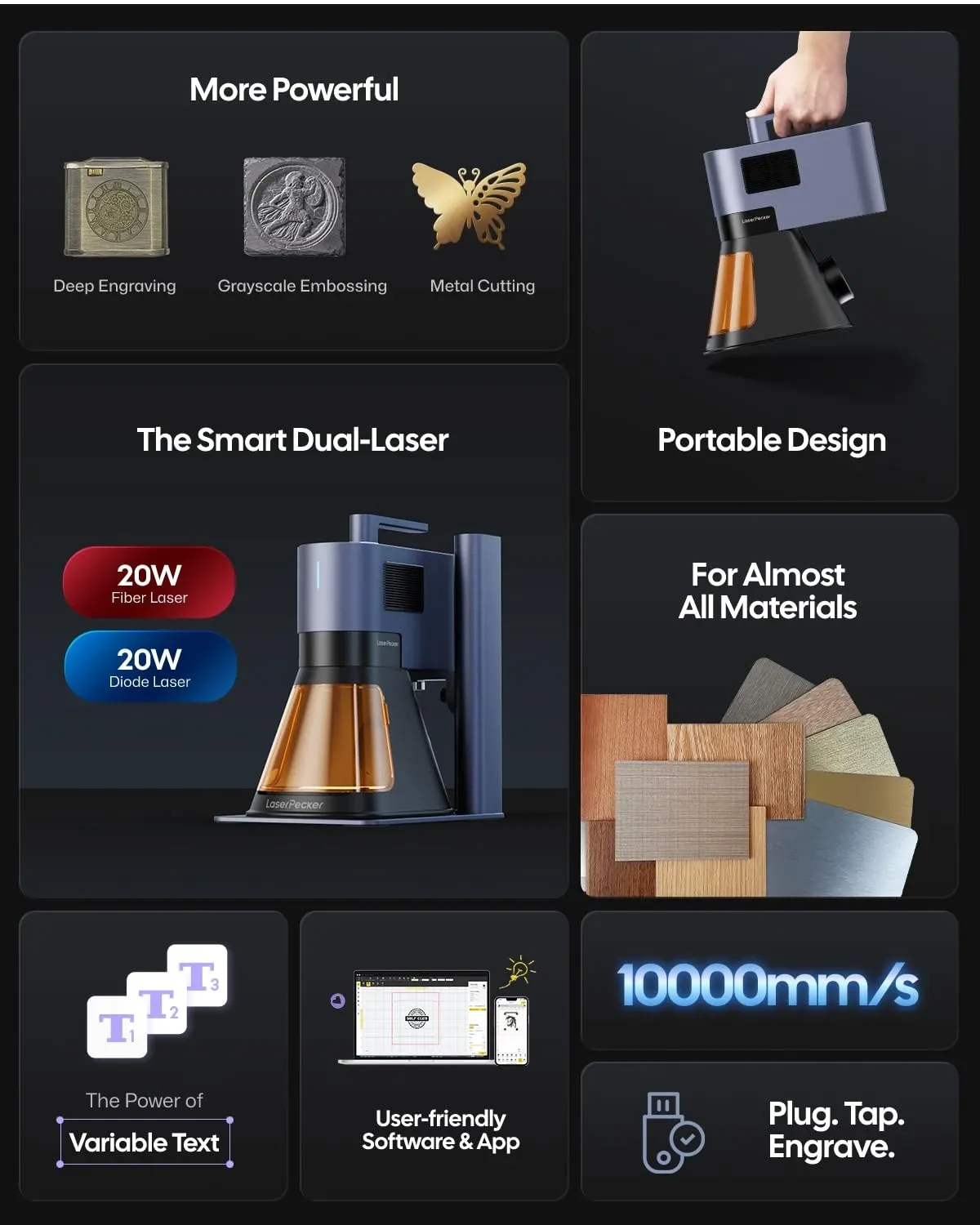
- The right laser matters: Diode lasers generally perform well on wood and other organic materials, whereas fibre lasers are typically intended for metals.
- Safety comes first: UK workshops should follow PUWER 1998 and HSE guidance on Local Exhaust Ventilation (LEV) to manage fumes and fine particulates.
- Preparation improves results: Proper masking helps reduce smoke staining, while post-engraving finishes such as Danish oil or beeswax help protect exposed grain.
How does laser engraved wood work?
When a concentrated light beam hits a wooden surface, it does not simply cut it. Instead, the intense heat causes moisture within the wood cells to boil instantly, rupturing the cell walls. The lignin and cellulose then vaporise, leaving behind a carbonised void. Consequently, this carbonisation creates the distinct dark contrast that makes laser engraved wood so visually striking.
Wood is an anisotropic material, which means its physical properties change depending on the direction of the grain. Earlywood, the softer and lighter rings grown in spring, vaporises more rapidly. Latewood, the denser rings grown in summer, resists the laser and needs more thermal energy to achieve the same depth. Therefore, engraving across heavily grained timber such as pine often produces a ribbed or uneven texture.
To master this process, operators need to balance three main variables:
- Power: The wattage output of the laser tube or diode.
- Speed: How fast the laser head moves across the X and Y axes, usually measured in mm/min or mm/sec.
- Frequency (PPI/LPI): Pulses per inch or lines per inch, which affect resolution and thermal overlap during engraving.
If you are exploring the technical differences between laser types for organic substrates, our Wood Laser Engraving Explained: A UK Buyer's Guide provides a deeper dive into wavelength interactions.
What is the best wood for laser engraving?
Not all timber sold through UK timber merchants is suitable for laser processing. In practice, the origin, drying method and any chemical treatment can drastically affect both engraving quality and workshop safety.
Which hardwoods are best for laser engraved wood?
Hardwoods are often favoured by professional makers because they offer durability and a premium finish. Although they are denser and usually need higher power or slower speeds, they can produce crisp and detailed engravings when properly set up.
- European Oak: A staple in British furniture making. Oak has a prominent grain that can lead to uneven engraving depths. For that reason, it is better suited to bold artwork rather than very fine text.
- Walnut: Produces a subtle dark-on-dark effect. Although contrast is lower than on pale woods, the finish looks refined and is often used for premium gifts or bespoke joinery branding.
- Cherry and Alder: Frequently regarded as excellent choices for laser engraved wood. Their tighter grain structure can produce rich brown marks with strong visual contrast.
Can you laser engrave softwood?
Yes, but softwoods such as pine and cedar are more challenging. They are widely available in Britain and relatively inexpensive; however, their pronounced difference between earlywood and latewood makes smooth results harder to achieve. In addition, pine can scorch easily and benefits from strong air assist to reduce flare-ups.
Is plywood or MDF better for laser engraving?
Manufactured boards are often the workhorses of UK laser workshops because they stay flatter on the bed than many natural timbers.
Baltic Birch Plywood: Commonly considered one of the best options. Birch ply has a pale and fairly uniform face veneer that engraves to a crisp dark brown. Even so, buyers should choose interior-grade or clearly laser-safe sheets where possible. Exterior-grade plywood such as WBP (Water and Boil Proof) may contain phenolic resins that engrave poorly and can release harmful fumes when heated.
MDF (Medium-Density Fibreboard): Engraves very evenly because there is no visible grain pattern. However, standard MDF often contains urea-formaldehyde binders. According to UK safety guidance on airborne contaminants and extraction control measures, effective fume extraction is essential when processing manufactured boards.
What is laser engraved wood used for?
Integrating a laser engraver into a workshop is often a practical business decision as well as a creative one. Across Britain, demand for personalised wooden products continues to grow in both consumer and trade markets.
According to the Crafts Council's 'Market for Craft' report referenced in discussions around UK handmade goods demand, bespoke products remain an important part of Britain’s craft economy. Personalised wooden items such as homeware pieces, wedding signage and branded gifts continue to attract strong interest.
This matters because adding custom engraving can increase perceived value quickly. For example, a joiner can add a maker’s mark to furniture; meanwhile, an independent tradesperson can engrave tool handles for branding or identification. As a result, commercial applications are wide-ranging:
- Hospitality: Branded wooden menus, coasters and table numbers for pubs and restaurants.
- Retail packaging: Custom wooden boxes and point-of-sale displays.
- Signage: Directional signs for estates, parks and commercial premises.
- Personalised gifting: Chopping boards, rolling pins and keepsake boxes.
Ready to upgrade your workshop with Arpro Lasers?
Explore The LP5 — £5997.50